
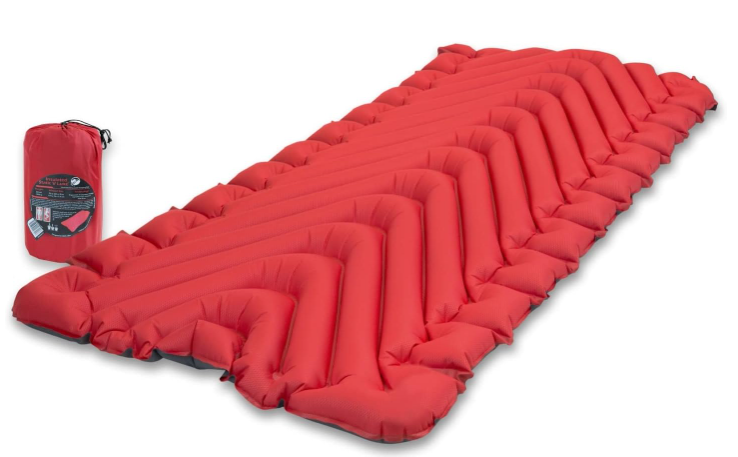
Best Camping Mattress for Bad Back is essential for anyone who struggles with back pain but still wants to enjoy comfortable sleep outdoors. A proper camping mattress does more than provide cushioning it supports spinal alignment, reduces pressure on sensitive joints, and helps prevent stiffness caused by uneven or cold ground. The right choice can make the difference between waking up refreshed or waking up sore and restless. With options ranging from insulated air pads to self-inflating foam designs, selecting a mattress that balances firmness, thickness, and stability is key to protecting your back while camping.
Best Camping Mattress for Bad Back
1.Klymit Insulated Static V Luxe Inflatable Sleeping Pad for Camping, Lightweight Hiking and Backpacking Air Bed For Cold Weather,Red
The Klymit Insulated Static V Luxe Inflatable Sleeping Pad is designed for campers who need extra comfort and back support without carrying heavy gear. As one of the more spacious ultralight air pads, it is especially helpful for people with a bad back, offering a wider sleeping surface and body-mapping support that reduces pressure on the spine, hips, and shoulders.
This sleeping pad focuses heavily on comfort and spinal alignment, which is essential for back pain relief. Its V-chamber design creates a structured sleeping surface that limits excessive air shifting while you move at night. Instead of feeling like you are rolling around on a balloon, the air is stabilized into supportive pockets that help keep your body properly aligned.
The pad also includes dynamic side rails, which gently cradle your body and prevent you from rolling off during sleep. This is particularly useful for side sleepers with lower back pain, as it helps maintain a more neutral sleeping posture.
The Insulated Static V Luxe uses a body-mapping chamber system that distributes weight evenly across the pad. This reduces pressure points that commonly trigger back discomfort. Whether you sleep on your back, side, or stomach, the pad adjusts to your shape and supports natural spinal curvature
Thanks to its V-chamber structure, the pad mimics a more stable mattress feel compared to traditional inflatable air beds. It reduces internal air movement and maintains lofted air pockets, helping prevent sagging in the lower back area—a common issue for people with chronic pain.
This pad is built for 4-season camping, featuring Klymalite synthetic insulation inside the chambers. It creates a warm barrier between your body and cold ground, which is important because cold surfaces can increase muscle stiffness and worsen back pain overnight. The insulation also delivers a strong warmth-to-weight balance, making it suitable for colder environments.
Despite its wide and supportive structure, the pad is still highly portable. It compresses into a compact size that fits easily into a backpack, making it suitable for hikers who still need strong back support. It inflates with 20–30 breaths, so setup is quick and simple even after a long day outdoors.
Specifications
- Inflated Size: 76 x 30 x 3 inches
- Packed Size: 10 x 5 inches
- Weight: 32 oz (approx. 0.9 kg)
- Material: 75D durable polyester fabric
- R-Value: 5 (4-season insulation)
- Inflation: 20–30 breaths
- Insulation: Klymalite synthetic fill
- Extras: Patch kit included
Pros
- Excellent pressure relief for bad back and joint pain
- Wide sleeping surface (great for restless sleepers)
- Stable V-chamber design reduces sagging
- Good 4-season insulation (R-value 5)
- Lightweight and easy to pack for backpacking
- Side rails improve sleep stability
- Durable 75D polyester construction
Cons
- 3-inch thickness may feel thin for users who prefer ultra-plush mats
2.Nemo Equipment Tensor All-Season Ultralight Insulated Sleeping Pad – Regular (72″x20″) – Blade/Spicy Orange
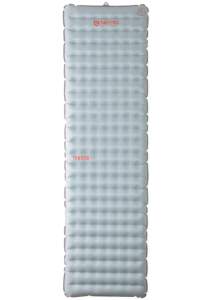
The NEMO Equipment Tensor All-Season Ultralight Insulated Sleeping Pad is a premium ultralight sleeping pad designed for campers who want serious back support without carrying heavy gear. For people with a bad back, it stands out because it delivers a rare combination of stability, quiet comfort, and pressure-relieving cushioning, helping maintain better spinal alignment throughout the night.
One of the strongest advantages of the Tensor All-Season is its exceptional insulation system. It uses two layers of floating Thermal Mirror metallized film, which provide a high level of warmth while keeping the pad surprisingly light. This is especially important for back pain sufferers, since cold ground contact can tighten muscles and increase stiffness overnight. The insulation helps keep the body warmer and more relaxed for deeper sleep.
Another major benefit is how quiet the pad is during movement. Many air pads produce noise when you shift positions, which can disturb sleep and cause you to tense up—something that can worsen back discomfort. This model is impressively quiet, making it ideal for uninterrupted rest.
The Tensor uses Spaceframe baffles, which are engineered internal structures that distribute weight evenly across the surface. Instead of bouncing or sagging under pressure, the pad remains stable and balanced. This is critical for back health because it prevents the spine from dipping into awkward positions during sleep.
These low-stretch, die-cut trusses also reduce the “air mattress bounce” effect, giving you a more grounded, mattress-like feel. The result is better posture support whether you sleep on your back, side, or stomach.
With 3.5 inches of stable loft, the Tensor provides enough cushioning to reduce pressure on sensitive areas like hips, shoulders, and lower back. This thickness helps prevent “pressure points,” which are a common cause of discomfort for people with chronic back pain during camping.
Unlike many ultralight pads that feel unstable, this one maintains its structure well through the night, offering a consistent sleeping surface that supports natural spinal alignment.
Despite its comfort level, the Tensor remains highly portable thanks to its bluesign approved premium nylon fabric. This material reduces weight while still offering strong resistance to punctures and tears—important for rugged camping environments. It’s designed to balance durability with ultralight efficiency, making it suitable for backpacking trips where every gram matters.
Specifications
- Model: Regular
- Dimensions: 72 x 20 inches
- Thickness (Loft): 3.5 inches
- Insulation: Dual-layer Thermal Mirror metallized film
- Construction: Spaceframe baffle system
- Material: bluesign® approved premium nylon
- Type: Ultralight insulated air sleeping pad
- Weight: Ultralight backpacking category (varies by version)
- Color: Blade / Spicy Orange
Pros
- Excellent pressure relief for back pain
- Very stable surface reduces spinal misalignment
- Quiet design for undisturbed sleep
- Good insulation for all-season camping
- Lightweight and backpacking-friendly
- Durable, puncture-resistant nylon fabric
- Comfortable 3.5-inch cushioning loft
Cons
- Narrow width (20″) may feel tight for some sleepers
3.Sea to Summit Comfort Plus Insulated Camping Air Mattress
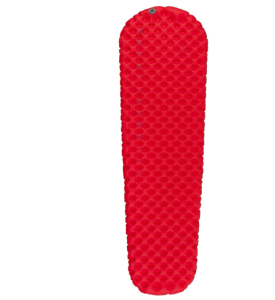
The Sea to Summit Comfort Plus Insulated Camping Air Mattress is a premium backcountry sleeping pad designed for campers who need serious comfort, strong spinal support, and reliable insulation. It is especially well-suited for people with a bad back, thanks to its dual-layer construction that allows precise firmness control and excellent pressure distribution—closer to a real mattress than a typical air pad.
One of the standout strengths of this sleeping mattress is its dual-layer Air Sprung Cell technology, which creates two independent air chambers. This design allows you to inflate the base layer for stability while adjusting the top layer for personalized comfort. For back pain sufferers, this means you can fine-tune firmness to maintain a neutral spinal position, reducing strain on the lower back and hips during sleep.
The mattress also uses Exkin Platinum reflective material and THERMOLITE insulation, which help retain body heat and reduce heat loss into the ground. Staying warm is critical for back comfort because cold muscles tend to stiffen overnight, increasing pain and discomfort.
Another major advantage is its Air Sprung Cell structure, which behaves like a pocket-spring mattress. These interconnected cells evenly distribute body weight, reducing pressure points that often trigger back pain—especially for side sleepers who need extra hip and shoulder cushioning.
Unlike basic inflatable pads that feel bouncy or unstable, the Comfort Plus uses a high-stability internal chamber system that reduces movement transfer. This helps keep your spine aligned even if you shift positions during the night. The dual-layer system also provides redundancy—if one layer is damaged, the other still offers usable support, which is valuable for extended trips.With a thickness of about 2.5 inches (6.3 cm), it balances cushioning and stability, ensuring your back is supported without excessive sinking
The mattress is designed to feel more like a home-style bed in the outdoors. Its multiple air cells adapt closely to your body shape, distributing weight evenly and minimizing pressure buildup on sensitive joints.Many users also appreciate its fine-tuning capability, which allows you to adjust softness or firmness depending on your sleeping style—whether you are a side, back, or stomach sleeper. This adjustability is particularly helpful for people managing chronic back discomfort.With an R-value of around 4, this mattress provides reliable insulation for 3–4 season camping conditions. It helps prevent heat loss to the ground, which is important for keeping muscles relaxed and reducing stiffness overnight. The combination of THERMOLITE and reflective insulation layers ensures consistent warmth in cold environments.
Despite its comfort-focused design, the mattress remains practical for outdoor use. It includes a multi-function valve system with an integrated pump sack, making inflation and deflation easier and reducing moisture buildup inside the pad.Its construction is also designed to be durable, with reinforced materials that resist punctures and wear from rough terrain—important for long-term camping reliability.
Specifications
- Dimensions (Regular): 72 x ~21.5 inches
- Thickness: 2.5 inches (6.3 cm)
- R-Value: 4 (4-season capable)
- Weight: ~845 g (1 lb 14 oz)
- Packed Size: 5 x 9 inches
- Material: 30D / 40D nylon with TPU lamination
- Insulation: THERMOLITE + Exkin Platinum
- Valve System: Multi-function valve with pump sack
- Construction: Dual-layer Air Sprung Cell design
Pros
- Excellent back support and spinal alignment control
- Highly customizable firmness (dual-layer system)
- Very comfortable for side, back, and stomach sleepers
- Good insulation (R-value 4) for cold-weather camping
- Strong pressure relief for hips and lower back
- Durable and puncture-resistant materials
- Redundant design improves safety on long trips
Cons
- Heavier than ultralight backpacking pads
4.Therm-a-Rest NeoAir Xlite NXT Ultralight Camping and Backpacking Sleeping Pad
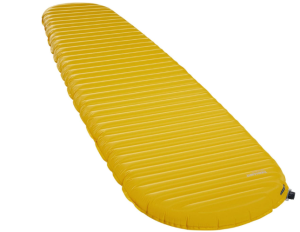
The Therm-a-Rest NeoAir Xlite NXT Ultralight Sleeping Pad is widely regarded as the gold standard for ultralight backpacking comfort, and it also stands out as a strong option for campers with a bad back who need support without carrying extra weight. It combines excellent insulation, a stable internal structure, and a carefully engineered design that helps reduce pressure points while maintaining spinal alignment on uneven ground
One of the biggest advantages of this sleeping pad is its foam-free NeoAir construction, which keeps weight extremely low while still providing impressive comfort. At just 13 oz (370 g) in the regular size, it is one of the lightest high-performance insulated pads available. Despite this ultralight build, it still offers enough structure to support the back properly, making it suitable for hikers who need to minimize pack weight without sacrificing sleep quality.
The pad uses a 3-inch (7.6 cm) thick baffled internal structure, which creates a stable and supportive sleeping surface. This helps reduce “bottoming out,” a common issue that can worsen lower back pain on thinner pads. The internal baffle system distributes weight evenly, preventing pressure buildup on hips and shoulders—key for people with back sensitivity.
The ThermaCapture reflective technology is designed to trap body heat, while the Triangular Core Matrix construction reduces heat loss through air movement inside the pad. With an R-value of 4.5, the NeoAir Xlite NXT is warm enough for year-round use, helping keep muscles relaxed and reducing stiffness caused by cold ground contact.for people with back pain, warmth is especially important because cold temperatures can increase muscle tension and discomfort during sleep.
Despite being ultralight, this pad offers a surprisingly stable sleeping surface. The internal structure limits excessive air shifting, which helps reduce the bouncing effect often associated with air mattresses. This stability is essential for maintaining a neutral spine position throughout the night.
The pad is also designed to feel more supportive than previous generations, improving comfort for side, back, and stomach sleepers. While not as plush as thick foam pads, it offers a good balance between firm support and lightweight cushioning, which is ideal for backpackers managing back pain.
One of the standout benefits is how compact the pad becomes when packed. It rolls down to roughly the size of a 1-liter water bottle, making it extremely easy to carry in a backpack. The included WingLock valve allows for fast inflation and even faster deflation, reducing setup time after a long hiking day.
A pump sack is included to help speed inflation and reduce moisture buildup inside the pad, which can extend its lifespan and maintain performance.
Specifications
- Dimensions (Regular): 20 x 72 in (51 x 183 cm)
- Thickness: 3 in (7.6 cm)
- Weight: 13 oz (370 g)
- R-Value: 4.5 (4-season capable)
- Packed Size: Approximately 1-liter bottle size
- Material: Foam-free NeoAir construction
- Valve System: WingLock valve
- Insulation: ThermaCapture reflective + Triangular Core Matrix
- Included Accessories: Pump sack, stuff sack, patch kit
- Origin: USA-built with global materials
Pros
- Extremely lightweight and ideal for backpacking
- Good back support for ultralight category
- 3-inch thickness reduces pressure points
- High insulation (R-value 4.5) for year-round use
- Very compact packed size
- Fast inflation and deflation system
- Stable internal structure minimizes sinking
Cons
- Narrow width (20″) may feel tight for larger sleepers
5.Therm-a-Rest NeoAir XTherm NXT MAX Ultralight Camping and Backpacking Sleeping Pad, Neptune, Regular Wide
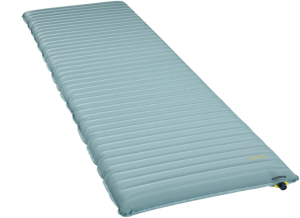
The Therm-a-Rest NeoAir XTherm NXT MAX Ultralight Sleeping Pad is a top-tier ultralight mattress designed for extreme cold-weather camping, alpine expeditions, and demanding backcountry use. It is especially valuable for people with a bad back, because it combines excellent insulation, wide sleeping space, and stable support, helping reduce pressure points and maintain spinal alignment even in harsh environments.
One of the standout strengths of this sleeping pad is its exceptional warmth rating and expedition-level insulation. With a massive R-value of 7.3, it is built for extreme cold conditions, making it one of the warmest ultralight pads available. The combination of ThermaCapture reflective technology and Triangular Core Matrix construction traps radiant heat and minimizes convective heat loss, keeping your body warm and muscles relaxed—an important factor for reducing back stiffness overnight.Its 3-inch thick profile provides a cushioned sleeping surface that helps distribute body weight evenly. For campers with back pain, this reduces pressure on sensitive areas like the lower back and hips, helping maintain a more neutral spine position even on uneven terrain.
The NeoAir XTherm NXT MAX is trusted by alpinists and mountaineers because of its stable internal structure. The foam-free NeoAir design uses internal baffles to prevent excessive air shifting, reducing the “floating” feeling that can worsen discomfort for sensitive backs.The wide version (25 inches) gives significantly more sleeping space than standard ultralight pads, allowing natural movement during sleep without rolling off or twisting the spine. This makes it particularly helpful for side sleepers with back issues who need extra room to maintain alignment.Built for harsh environments, the pad features a 70D ripstop nylon bottom, which provides excellent resistance to punctures, abrasion, and long-term expedition wear. This durability ensures consistent support even after repeated use on rocky or uneven ground—important for maintaining predictable back support night after night.
Despite its rugged build, it still remains surprisingly lightweight at just 23 oz (650 g) for the regular wide size, making it suitable for serious backpacking where both comfort and durability are essential.The WingLock valve system allows fast and reliable inflation, even in freezing conditions where standard valves may struggle. It also enables quick deflation, making setup and pack-down efficient after long days outdoors.When packed, the pad compresses to about the size of a 1-liter bottle, keeping it highly portable despite its wide and warm design. The included pump sack also helps reduce moisture buildup inside the pad, improving longevity and performance consistency.
Specifications
- Model: Regular Wide
- Dimensions: 25 x 72 in (64 x 183 cm)
- Thickness: 3 in
- Weight: 23 oz (650 g)
- R-Value: 7.3 (extreme cold conditions)
- Material: Foam-free NeoAir construction
- Bottom Fabric: 70D ripstop nylon
- Valve System: WingLock valve
- Insulation: ThermaCapture reflective + Triangular Core Matrix
- Packed Size: ~1-liter bottle equivalent
- Included: Pump sack, stuff sack (PFAS-free DWR coating), patch kit
- Origin: USA built with global materials
Pros
- Exceptional warmth (R-value 7.3) for extreme cold camping
- Excellent back support and pressure relief
- Wide sleeping surface improves spinal alignment
- Very durable 70D ripstop bottom fabric
- Stable internal structure reduces bounce and sagging
- Lightweight for its warmth level
- Easy inflation/deflation with WingLock valve
- Highly packable for expedition use
Cons
- Expensive compared to standard camping mattresses
Also read;5 best budget Camping beds for families
Factor to Consider when Choosing Best Camping Mattress for Bad Back
1. Thickness and Cushioning Support
Thickness is one of the most important factors for back comfort because it determines how well the mattress absorbs pressure from uneven ground. A thicker mattress (usually 2.5–4 inches or more) helps prevent your hips and shoulders from sinking too far, which keeps your spine in a more natural alignment. For people with a bad back, insufficient cushioning can quickly lead to stiffness, soreness, or pressure-point pain overnight. However, overly soft thick mats can also cause poor posture, so the goal is balanced cushioning with stable support rather than just maximum thickness.
2. Firmness and Spinal Alignment
Firmness controls how well the mattress supports your spine during sleep. A mattress that is too soft may cause your lower back to sag, while one that is too firm can create pressure points that worsen discomfort. The best camping mattresses for back pain allow you to maintain a neutral spinal position whether you sleep on your back, side, or stomach. Adjustable air pads or structured baffle systems are especially helpful because they let you fine-tune firmness to match your body’s needs.
3. Internal Structure and Stability
The internal construction of a mattress determines how stable it feels during movement. Designs like V-chambers, Air Sprung Cells, or Triangular Core Matrix systems help distribute body weight evenly and reduce “bouncing” or shifting air pockets. This stability is crucial for back pain sufferers because unstable surfaces can cause the spine to twist or dip during sleep. A well-structured pad keeps your body supported in a consistent position, reducing overnight strain on muscles and joints.
4. Pressure Point Relief
A good camping mattress should reduce pressure on sensitive areas such as the hips, shoulders, and lower back. When pressure builds up, it restricts blood flow and causes you to shift positions frequently, which can aggravate back pain. Mattresses with body-mapping chambers or cushioned air cells help spread weight evenly across the surface. This improves comfort and allows the body to fully relax, which is essential for recovery during sleep.
5. Insulation and R-Value (Warmth)
Cold ground contact can make back pain worse by tightening muscles and reducing circulation. That’s why insulation performance, measured by R-value, is a key factor. For mild conditions, an R-value of 3–4 may be enough, but for cold or high-altitude camping, 4.5–7+ is ideal. Insulated pads trap body heat and prevent heat loss to the ground, helping keep muscles relaxed and reducing morning stiffness. This is especially important for campers who are sensitive to temperature changes.
6. Size and Sleeping Space
The width and length of a mattress directly affect sleeping posture and comfort. Narrow pads may cause you to roll off or sleep in awkward positions, which can worsen back strain. Wider models (25 inches or more) give extra room to shift naturally without twisting your spine. Longer mats also support full-body alignment, especially for taller users. For people with back issues, having enough space to move comfortably is just as important as cushioning.
7. Weight and Portability
Weight becomes a major consideration for backpackers, but it must be balanced with comfort. Ultralight pads are easier to carry but may offer less cushioning, while heavier mattresses often provide better support and durability. The key is choosing a model that fits your activity type—lightweight inflatable pads for hiking and thicker self-inflating mats for car camping. For back pain sufferers, it is often worth carrying slightly more weight if it significantly improves sleep quality and spinal support.
8. Durability and Material Quality
Durability determines how well the mattress maintains its support over time. High-quality materials like ripstop nylon and reinforced bottom layers help prevent punctures and air leaks, which can cause uneven support during sleep. A damaged or slowly deflating mattress can severely worsen back pain because it creates uneven sleeping surfaces. Strong, abrasion-resistant materials ensure consistent performance even on rough ground, making them essential for long-term comfort and reliability.
Frequent Asked Question Best Camping Mattress for Bad Back
1. What type of camping mattress is best for a bad back?
The best camping mattress for a bad back is usually one that offers a balance of firmness, thickness (at least 3 inches or more), and stable support. Self-inflating foam mats and high-quality insulated air pads are often recommended because they help maintain spinal alignment and reduce pressure on the hips and lower back. According to sleep and camping guidance, mattresses that are too soft can cause the hips to sink, throwing the spine out of alignment and worsening pain, while overly hard mats can create painful pressure points.
2. Is a thick air mattress or a firm pad better for back pain?
A thicker mattress is not always better on its own—what matters more is internal structure and support stability. Many experts suggest that air mattresses should have internal baffles or foam support layers to prevent sagging and uneven weight distribution. Foam or hybrid mats often perform better because they contour to the body while still keeping the spine supported. Studies and outdoor reviews note that a stable, medium-firm surface helps keep the body in a neutral position, which is crucial for reducing back pain during sleep.
3. What extra features should I look for if I have chronic back pain?
If you suffer from chronic back pain, look for features like adjustable firmness, high R-value insulation, and pressure-point relief technology. Insulation (R-value 4+) helps keep the body warm, preventing muscle stiffness caused by cold ground temperatures. Adjustable air chambers or foam layers allow you to fine-tune support for your spine. Additionally, wider sleeping pads are highly recommended because they give more room to move without twisting the back, which improves sleep comfort and reduces morning stiffness.